
- Home page
- Top experiences
- Culture and Heritage
- Everything you need to know about the monolithic church and the catacombs of Saint-Emilion
- Culture and Heritage
- Top experiences
Everything you need to know about the monolithic church and the catacombs of Saint-Emilion
Beneath the golden cobblestones of Saint-Émilion lies a world unto itself. The monolithic church of Saint-Émilion is an ancient 11th-century church entirely carved into the rock, and also the largest underground church in Europe. Often overlooked by visitors who focus on the vineyards and wine merchants, it is nonetheless the most fascinating monument in the entire Gironde region.
What is the monolithic church of Saint-Émilion?
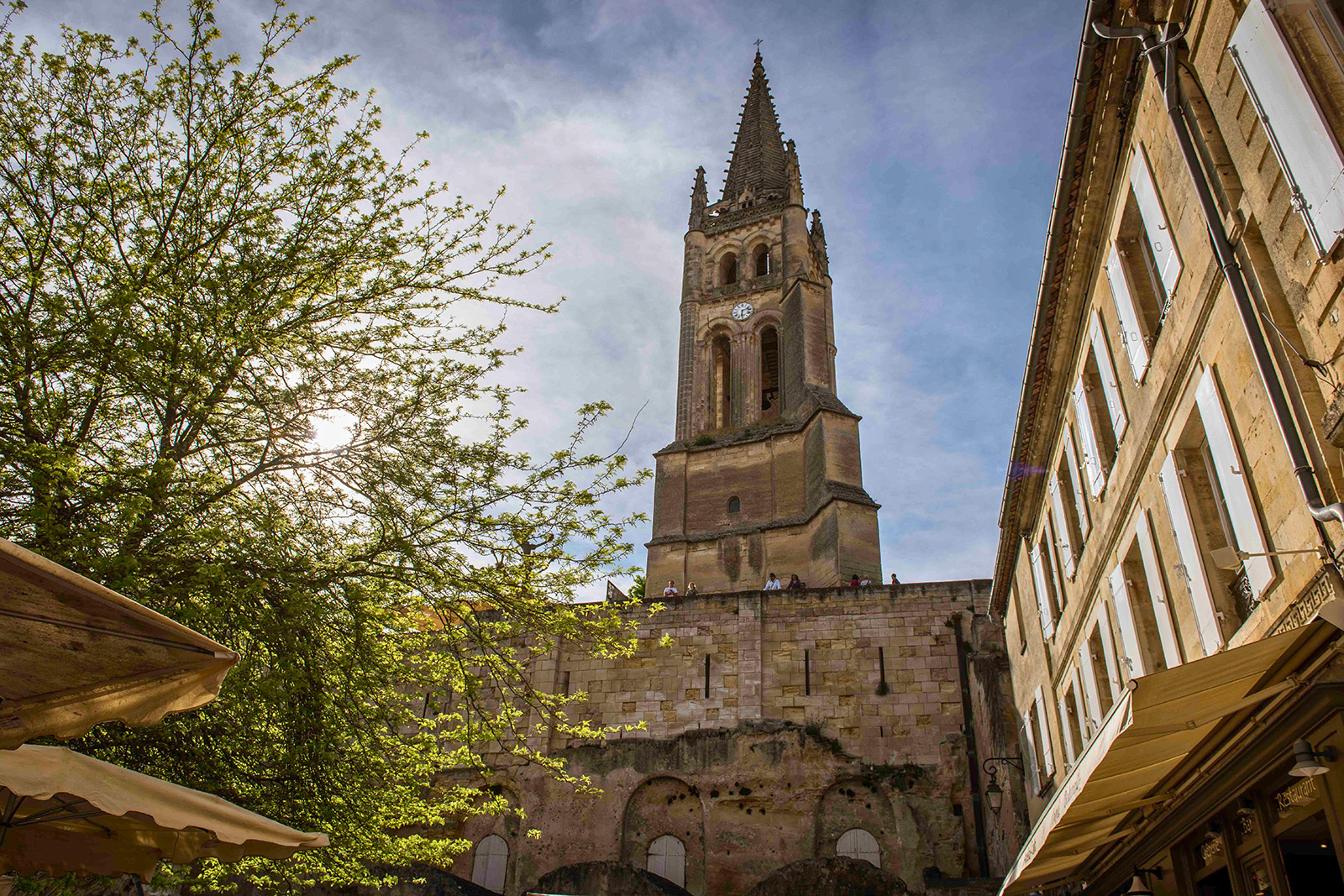
Its name says it all: from the Greek monos (single) and lithos (stone), a monolithic church is a building obtained not by construction, but by extraction. Not a single stone was laid: it is the rock itself, a 30-million-year-old Asteria limestone, that was hollowed out, emptied, and sculpted to form this colossal space.
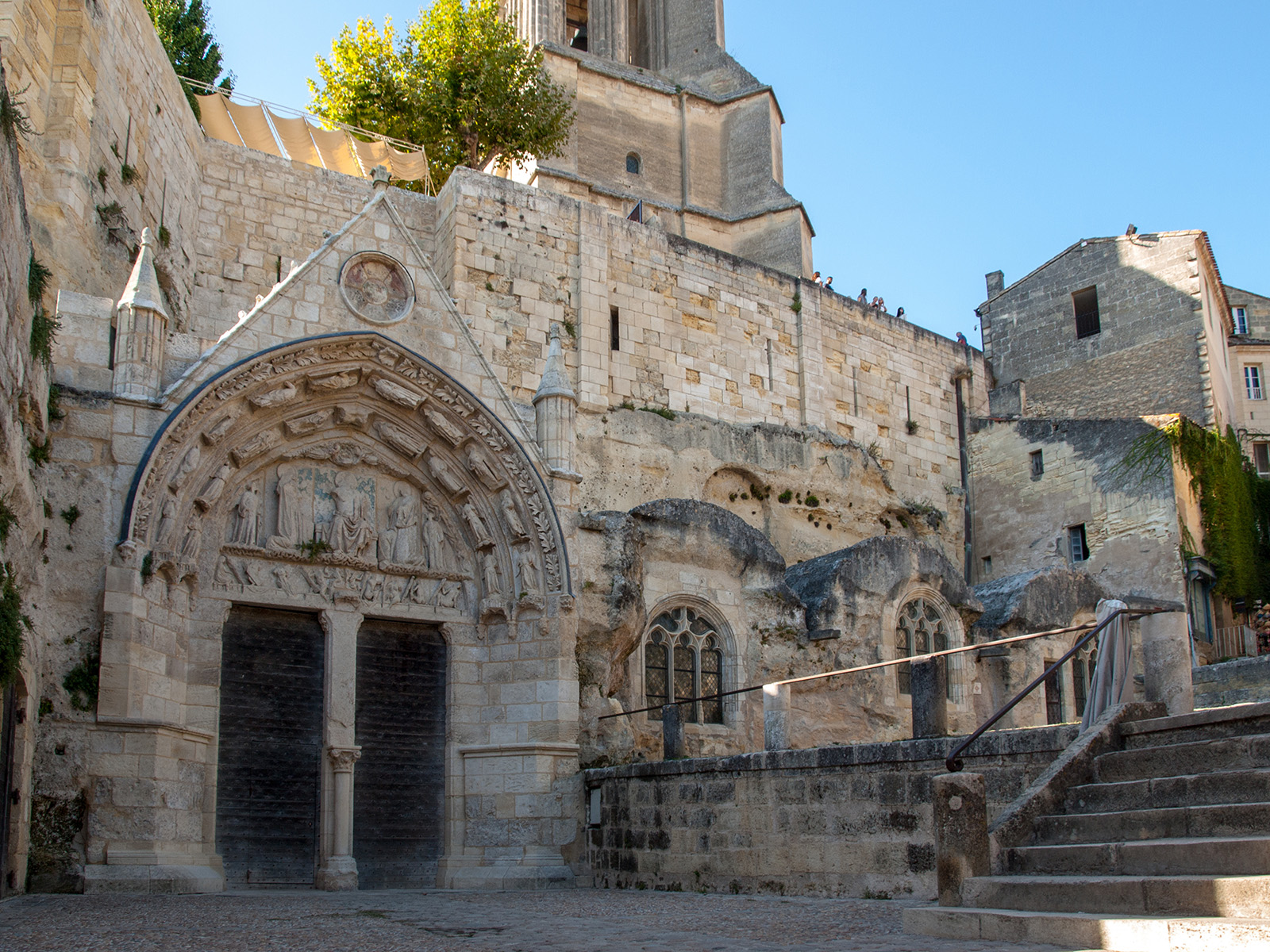
Approximately 15,000 cubic meters of rock had to be extracted to create this nave, 38 meters long and 11 meters high. A dimension completely imperceptible from the outside: behind its often-closed Gothic portal, nothing betrays what lies beneath. That is the magic of the place.
Classified as a Historical Monument in 1886, it has been part of the Jurisdiction of Saint-Émilion, a UNESCO World Heritage Site, since 1999. It remains consecrated and still hosts religious ceremonies, concerts, and the famous inductions of the Jurade.
The monolithic church of Saint-Émilion: 12 centuries of history
- 8th century : The Breton monk Émilion settled as a hermit in a cave in the limestone hill, at a place called "les Combes". Upon his death on January 6, 767, his disciples dug a first modest underground passage around his tomb to facilitate its veneration by pilgrims.
- Late 11th – early 12th century : Pierre de Castillon, Viscount of Aubeterre, had the church excavated in its present form. Inspired by the techniques and forms of the cave churches of Cappadocia, discovered upon the return of the Crusades, he had the excavation carried out from the top down—a safer method than the reverse. An inscription on the third pillar on the south side, dating from the late 11th or early 12th century, likely corresponds to the consecration of the site.
- 12th century : A tower is erected above the church, the future base of the bell tower. The pilgrimage to the tomb of Saint Emilion attracts faithful from all over the region, and even pilgrims on their way to Compostela.
- 13th century : Construction of the Trinity Chapel, above the funerary crypt associated with the hermitage. The tomb of Saint Emilion attracted burials from the surrounding area, as evidenced by the catacombs.
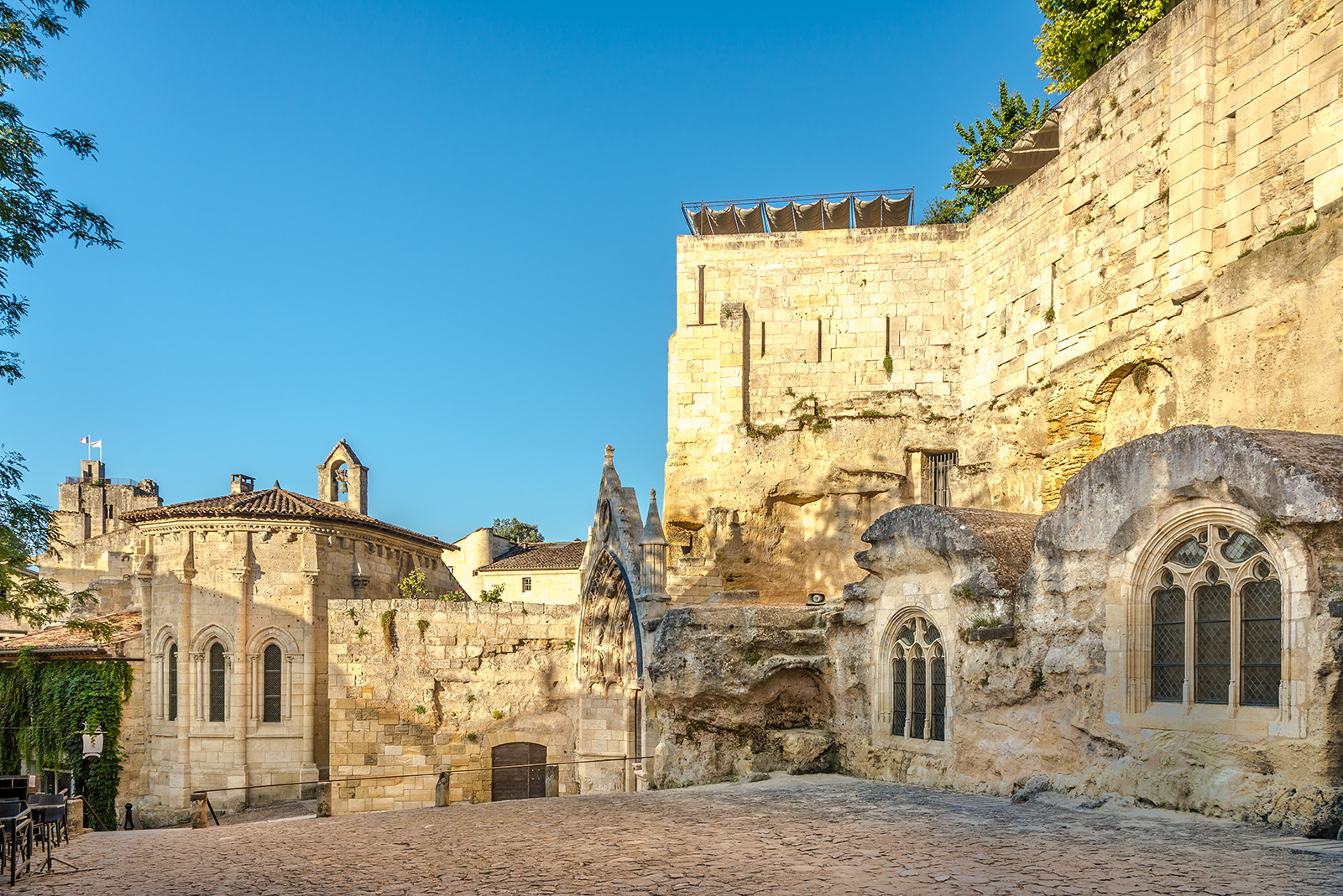
- 14th century : Gothic windows and a portal were added, bringing in light and decoration. The Trinity Chapel received its remarkable mural paintings.
- 15th-16th century : The Romanesque bell tower was raised in a flamboyant Gothic style, and the spire reached 68 meters. Not having been designed for such weight, it was reinforced in 1626 by the addition of a corner buttress — the weight of which would in turn threaten the vaults of the church below.
- 1793 : The French Revolution marked a brutal turning point. Sold as national property, the church was converted into a saltpeter factory to produce gunpowder. The saltpeter workers scraped the walls: almost all the wall decoration disappeared forever.
- 1886 : Classified as a Historical Monument. The bell tower was classified in 1907.
- 1996 : Water infiltration severely weakened the pillars. The World Monuments Fund placed the church on its list of endangered cultural properties. Consolidation work stabilized the structure, allowing it to be reopened to the public.
- 1999 : Inscription on the UNESCO World Heritage List with the entire Jurisdiction of Saint-Émilion.
The 4 monuments of the underground tour
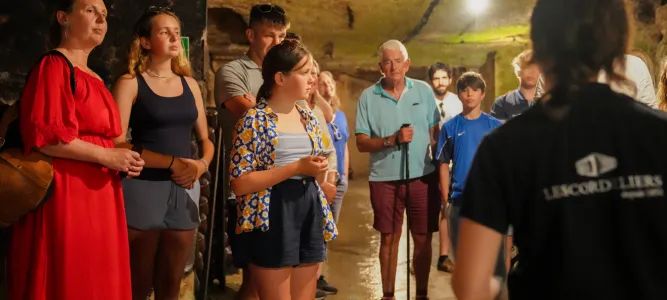
The "Saint-Émilion Underground" tour gives access to four linked monuments, accessible only with a guide.
- The cave of Émilion is the historical and emotional starting point. It was here that the monk settled more than twelve centuries ago, in this very rock. The cave houses the famous fertility seat, to which a persistent legend attributes miraculous powers for couples desiring a child.
- The Trinity Chapel : a small Gothic chapel adorned with remarkably well-preserved 14th-century murals. Its history took a dramatic turn during the French Revolution, when it lost its religious function, only to regain it much later.
- The catacombs are galleries carved into the rock where tombs of varying sizes silently bear witness to the age of the deceased who lay there. A natural light well was once used to highlight relics. The atmosphere is striking, radically different from the rest of the visit.
- The monolithic church is the culmination of the visit. Its sheer size is overwhelming, its bas-reliefs tell a story, and its remnants of murals, despite their fragmentary state, are deeply moving. And there's this unique feeling of being inside a masterpiece carved by hand into the mountain, beneath the feet of the living.
Practical information
- Duration: 45 minutes to 1 hour. 1 hour 30 minutes for a bilingual tour.
- Availability: All year round, every day by reservation (except December 25th and January 1st). Groups limited to a maximum of 35 people.
- Prices: Adult: €15 / Reduced price: €12 / Free for children under 6 (ticket still required).
- Languages: Printed translation available in 11 languages (German, English, Chinese, Spanish, Dutch, Italian, Japanese, Portuguese, Romanian, Russian, Ukrainian). Please request it at reception before the start of the tour.
- Where to book? Online at the Grand Saint-Émilionnais Tourist Office shop or directly at the ticket office on Place des Créneaux. Advance booking is strongly recommended during peak season.
- Departure point: Monolith Church Square, at the time indicated on the ticket. Please note : once the tour has started, it is impossible to rejoin the group in the underground area, and no refunds are possible.
- Parking: Allow plenty of time. Free parking is available on the outskirts of the village (Guadet area parking lot, behind the gendarmerie, train station parking lot). Parking within the village itself is paid.
- Temperature: It's around ten degrees Celsius in the underground tunnels regardless of the season. Bring a vest or light jacket.
- Dogs are allowed on a leash.
- Accessibility: The tour includes narrow stairs and is not recommended for people with reduced mobility without an escort. Contact the Tourist Office before booking to find out about suitable options.
The bell tower: an additional visit not to be missed
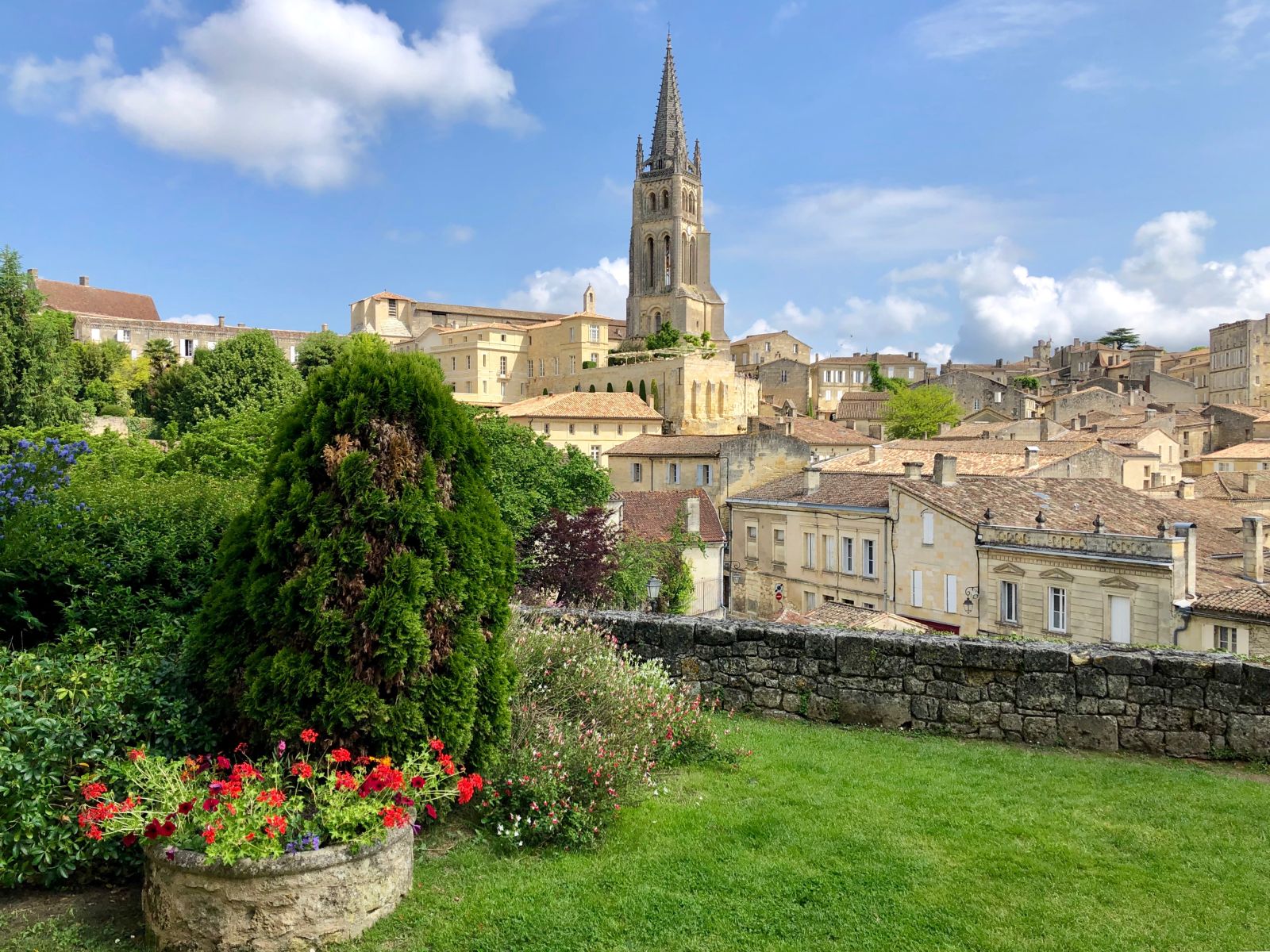
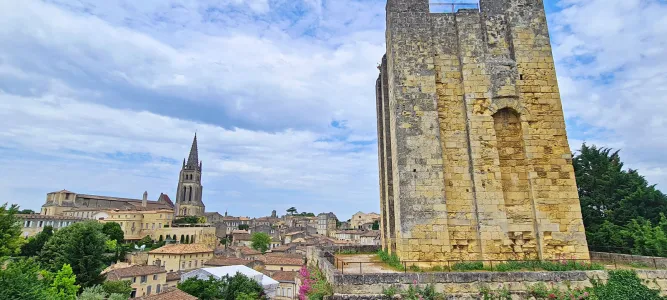
The monolithic church's bell tower, whose spire reaches a height of 68 meters, is a landmark visible throughout the entire jurisdiction. Built between the 12th and 15th centuries, its silhouette reflects the different periods that shaped it, from the understated Romanesque to the soaring Gothic. Its 196 steps require a bit of effort, but reward you with a 360° panoramic view of the UNESCO-listed vineyards.
Our tips for making the most of it
Come during the week, preferably in the morning, to avoid the weekend crowds and groups during peak season. The quality of the experience also depends on the group size. The earlier you book, the better your chances of joining a small session.
Ideally, combine the underground tour with the climb to the bell tower on the same day. And afterwards, let yourself wander through the cobbled streets towards the Tour du Roy or the Cloître des Cordeliers : Saint-Émilion can also be discovered above ground.
FAQ: The Bordeaux Gironde Guide answers your questions
CAN YOU VISIT THE MONOLITHIC CHURCH WITHOUT A GUIDE?
No. The doors to the underground monuments only open with an accredited guide from the Tourist Office.
How long does the visit last?
Allow 45 minutes to 1 hour for a tour in French. 1 hour 30 minutes for a bilingual tour.
Do I need to book in advance?
It's highly recommended, especially in summer and on weekends. Group sizes are limited and slots fill up quickly. Reservations can be made online or at the Tourist Office counter.
What is the price of the monolithic church of Saint-Émilion?
€15 per adult, €12 reduced rate (young people 6-17 years, students, job seekers, people with disabilities). Free for children under 6 years old upon presentation of a ticket ( free ).
Is the tour accessible to people with reduced mobility?
The tour includes narrow stairs. It is possible if each person with reduced mobility is accompanied. Contact the Tourist Office before booking to ensure accessibility.
Is it possible to take photos inside?
No, taking photos is strictly prohibited in underground monuments.
Is the bell tower included in the ticket price?
No, access to the bell tower is a separate option at €2 per person, payable at the Tourist Office reception.
What is the temperature like in the underground tunnels?
The temperature is around 13°C all year round. Remember to bring a vest or light jacket, even in the middle of summer.
What to do in Saint-Émilion?
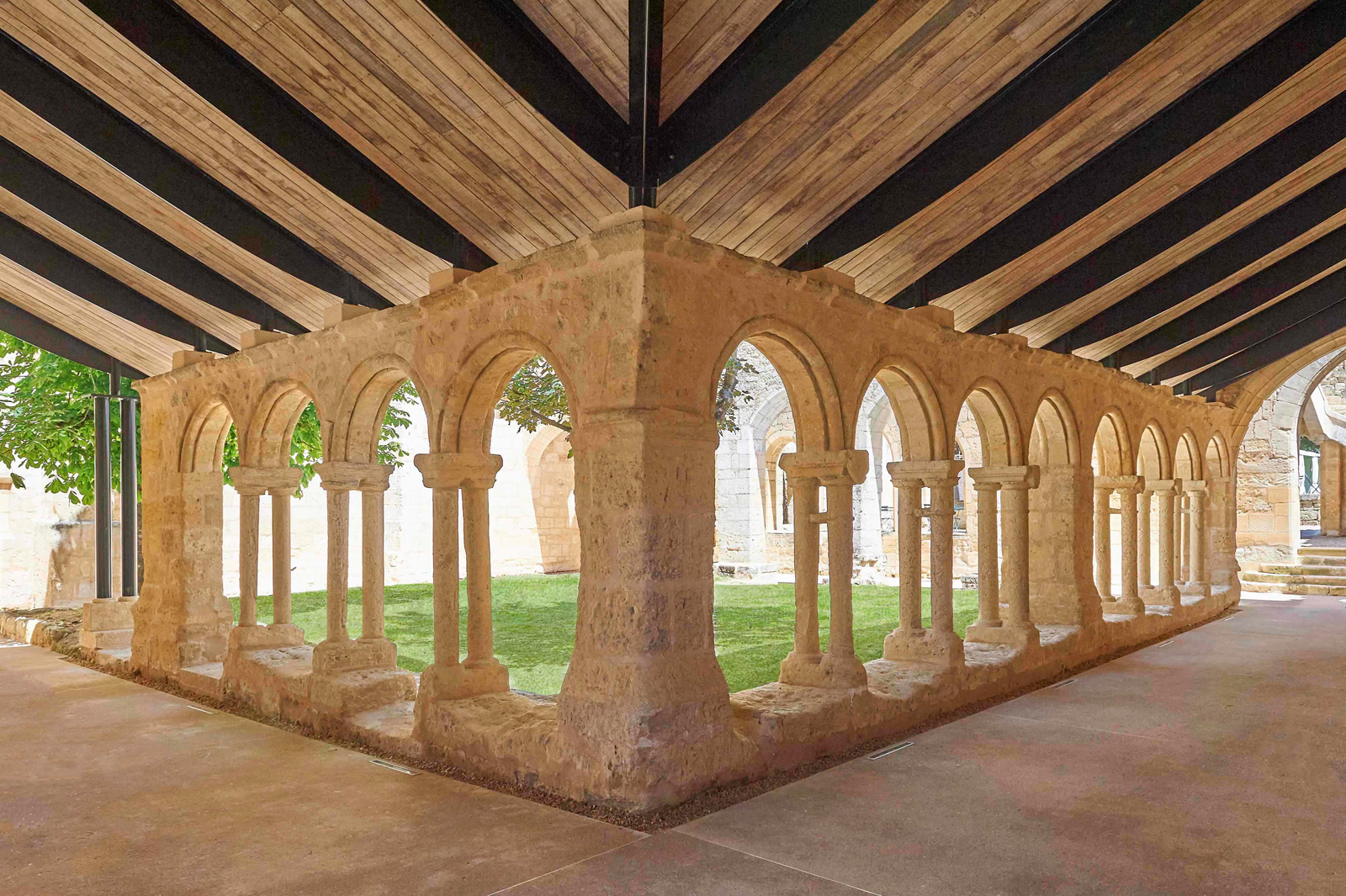
Le Cloître des Cordeliers
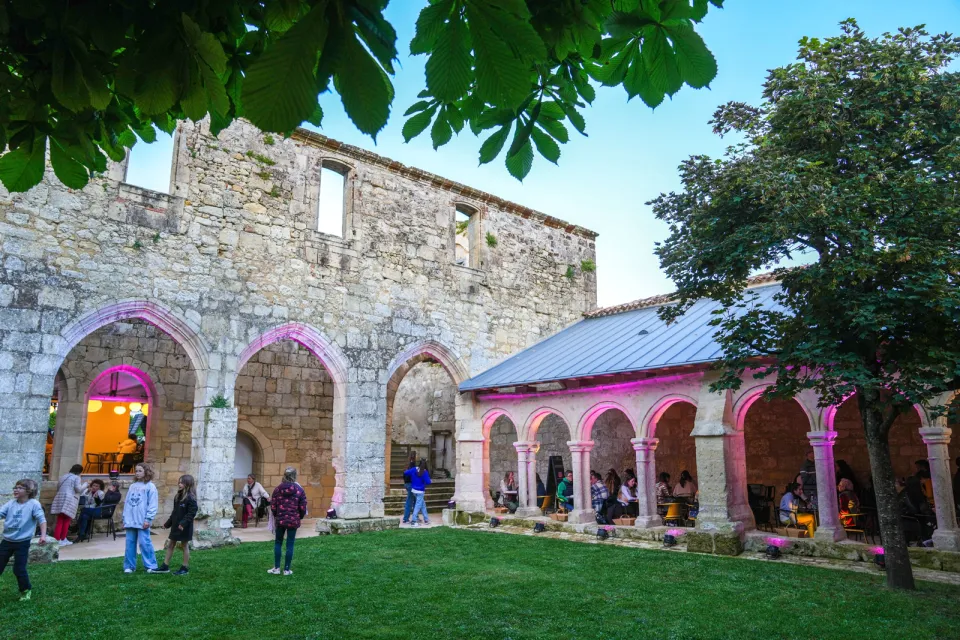
Enjoy fine wine in a rustic setting in the heart of Saint-Émilion
200 m
Véloce
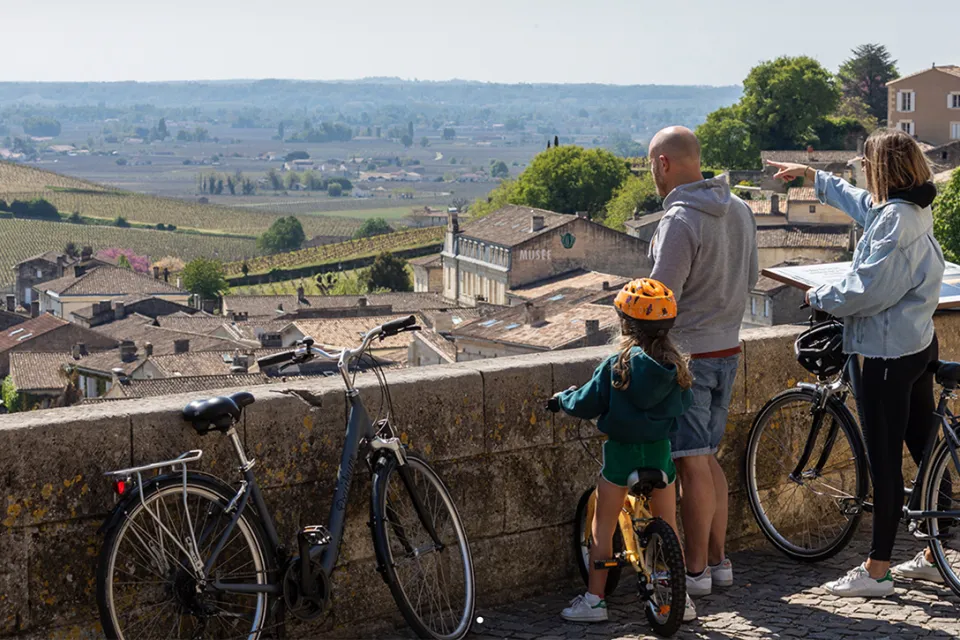
Bike Ride / Bike Rental in Saint-Émilion
400 m
Hôtel Château Grand Barrail
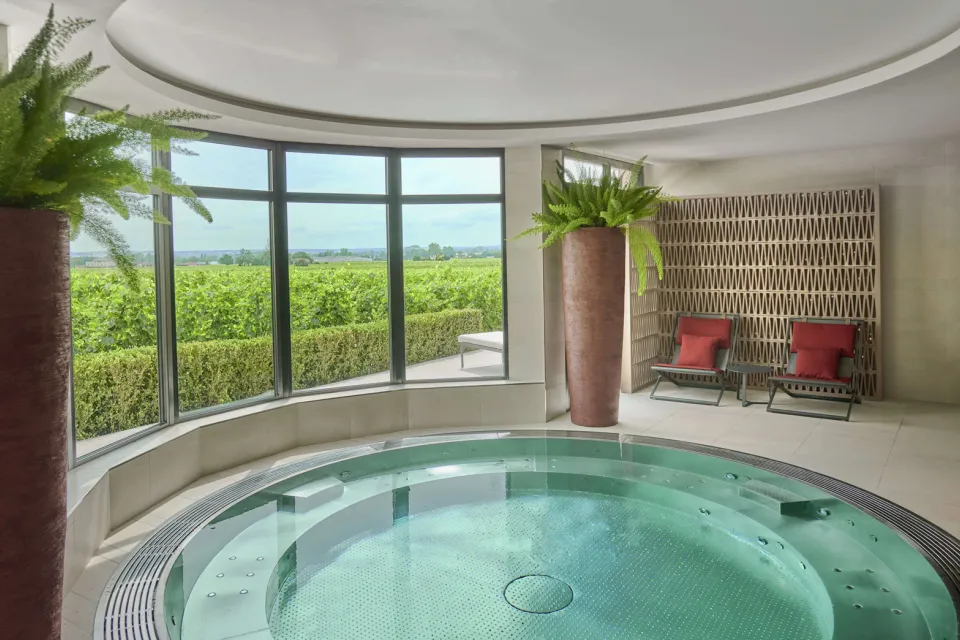
Your haven of well-being at the 5* Hotel Grand Barrail in Saint-Émilion
3,3 km
Did you enjoy our article? Find more in our Top Experiences section.
Follow us on the Bordeaux Gironde Guide Facebook page and on Instagram @guidebordeauxgironde
You will also like
The Saint-Émilion vineyard
The Top 8 of the most beautiful villages in Gironde
Visit of Saint-Emilion, between History and Heritage
A weekend in Gironde
Château Gaubert Saint-Emilion Grand Cru: A wine made in family with the heart
2,5 km
Top 10 things to do in and around Libourne
7,3 km
Visit of Libourne: a walk in a port city
7,3 km
Good idea : A weekend in the Libournais!
7,3 km
You will like also


Ride around
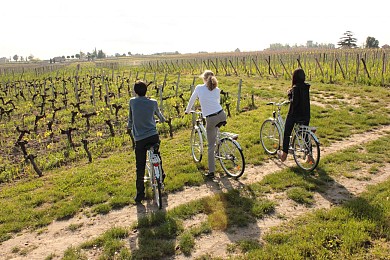
Iconiques à vélo : L'église monolithe de Saint-Emilion
Iconiques à vélo : L'église monolithe de Saint-Emilion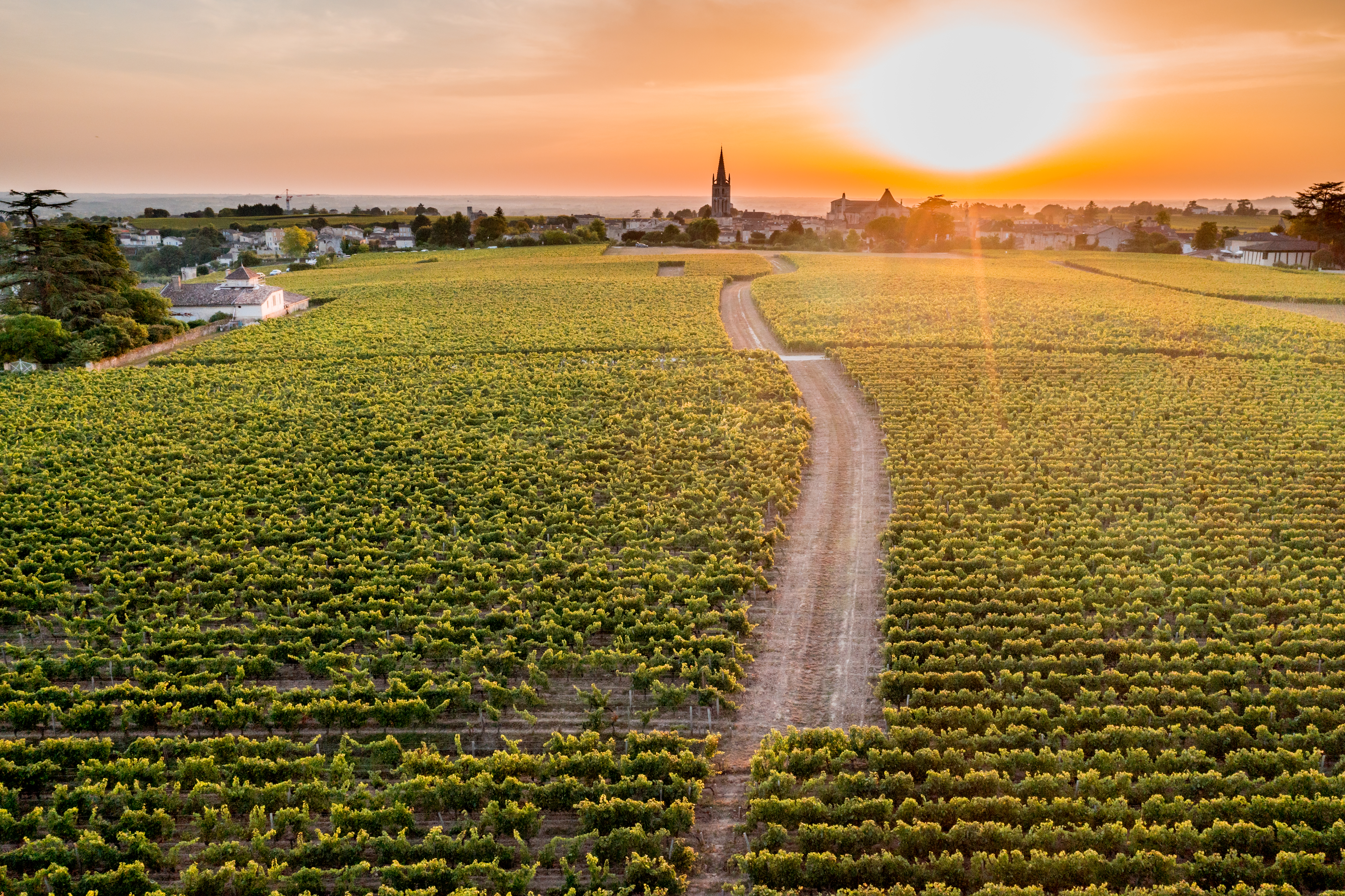
81 m - Saint-Émilion
"Entre vignes et Dordogne" à Saint Emilion
"Entre vignes et Dordogne" à Saint Emilion
94 m - Saint-Émilion
Boucle pédestre : La Route des vins biologiques
Boucle pédestre : La Route des vins biologiques
96 m - Saint-Émilion
La combe du Barde : un vignoble à couper le souffle !
La combe du Barde : un vignoble à couper le souffle !
101 m - Saint-Émilion