Bureau d'Information Touristique de Branne Closed Opens Tuesday at 09:30 am

Route de Cabara 33420 Branne

Closed Opens Tuesday at 09:30 am

Route de Cabara 33420 Branne

Visit website
See on map Directions

Directions Bureau d'Information Touristique de Branne - Discover Branne between Dordogne and Saint Emilion

About

  • English
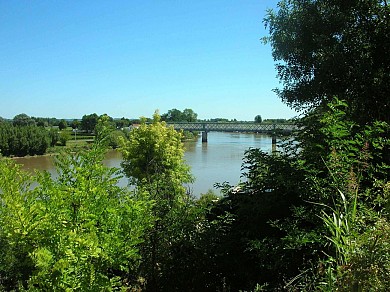
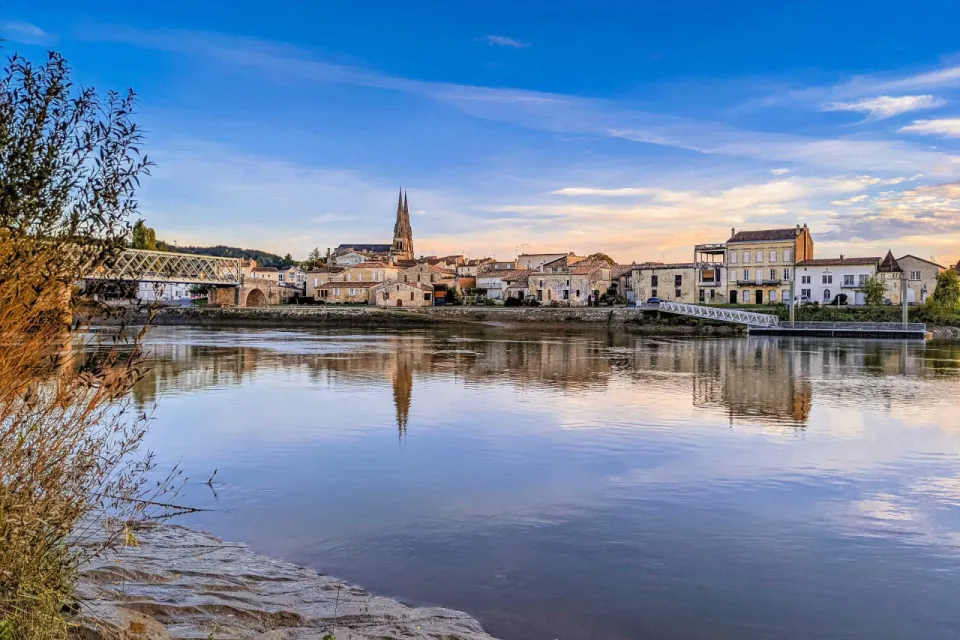
    • Ideally located on the banks of the Dordogne River and 20 minutes from the D936, which connects Bordeaux to the Dordogne, Branne is a must-see destination. Its proximity to the A89 motorway and Saint-Émilion, just 12 km away, makes it a popular stopover. Its tourist office, situated on the riverbank in a wooden building shaped like a fishing hut, perfectly reflects the charm of the region.

      BRANNE: its history

      Branne will delight you with its rich history ! Its growth is due to the river trade that developed in the 17th century with the navigation of the beautiful barges on the Dordogne. Until the 19th century, the port of Branne maintained significant economic activity, thanks in particular to the wine trade and the trade in cut stone transported from nearby quarries (such as those of Lugaignac and Daignac).
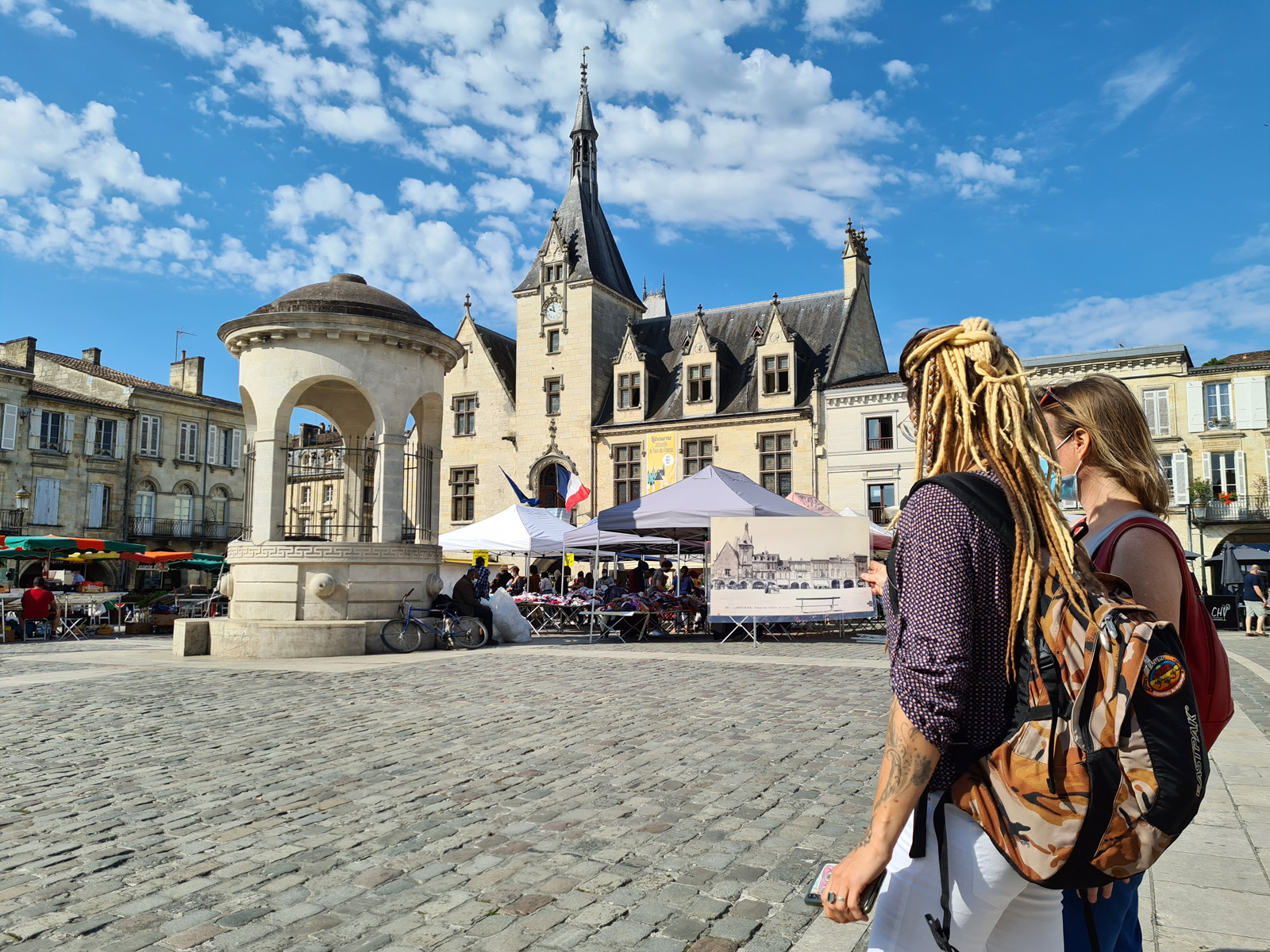
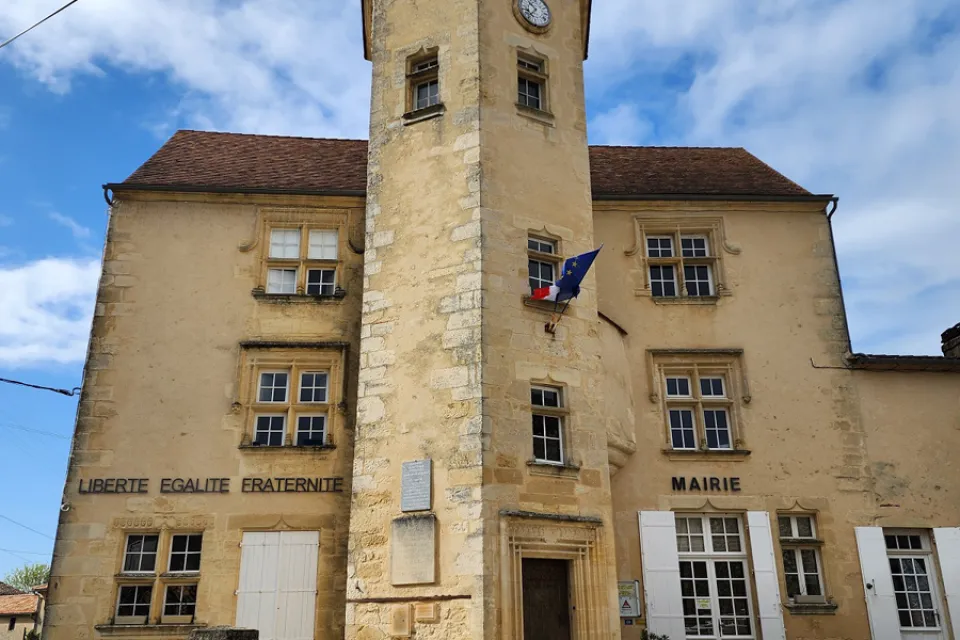
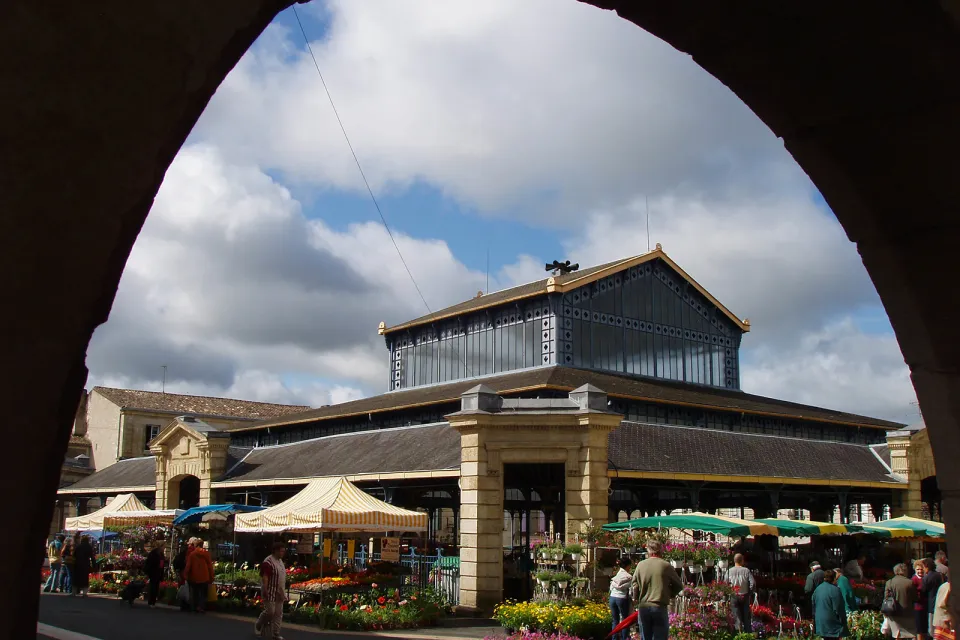
      In the 19th century, the town was transformed: the quays were renovated, and the construction of several important buildings was decided: the new market hall, which dates from 1895, the neo-Gothic Saint-Étienne church, completed in 1877 (in place of a small Romanesque church) and consecrated in 1878, and the new town hall were all built.
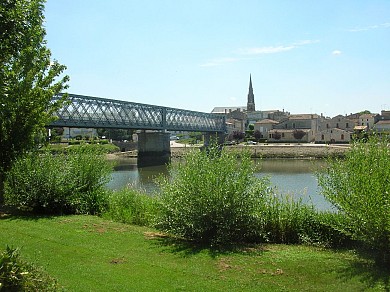
      In the 20th century, Branne didn't stop there! The impressive metal bridge, rebuilt in 1911, is a true monument worth discovering. While a wooden bridge with a toll (abolished in 1890) already existed in the Middle Ages, the metal bridge was erected and, despite its destruction by the Germans in 1944, it was restored, embodying Branne's tenacity.

      LANDSCAPES AND SURROUNDINGS: Local produce and heritage

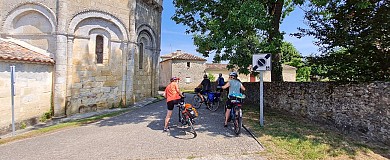
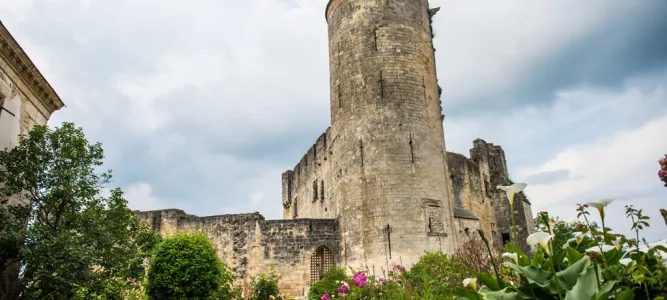
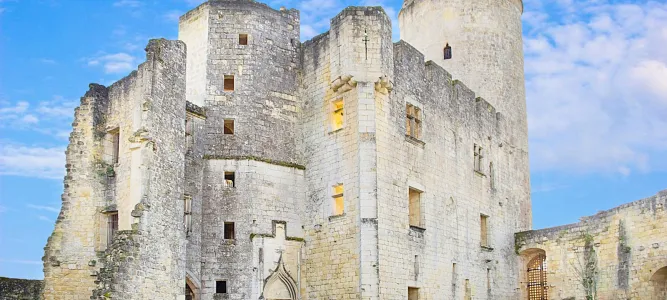
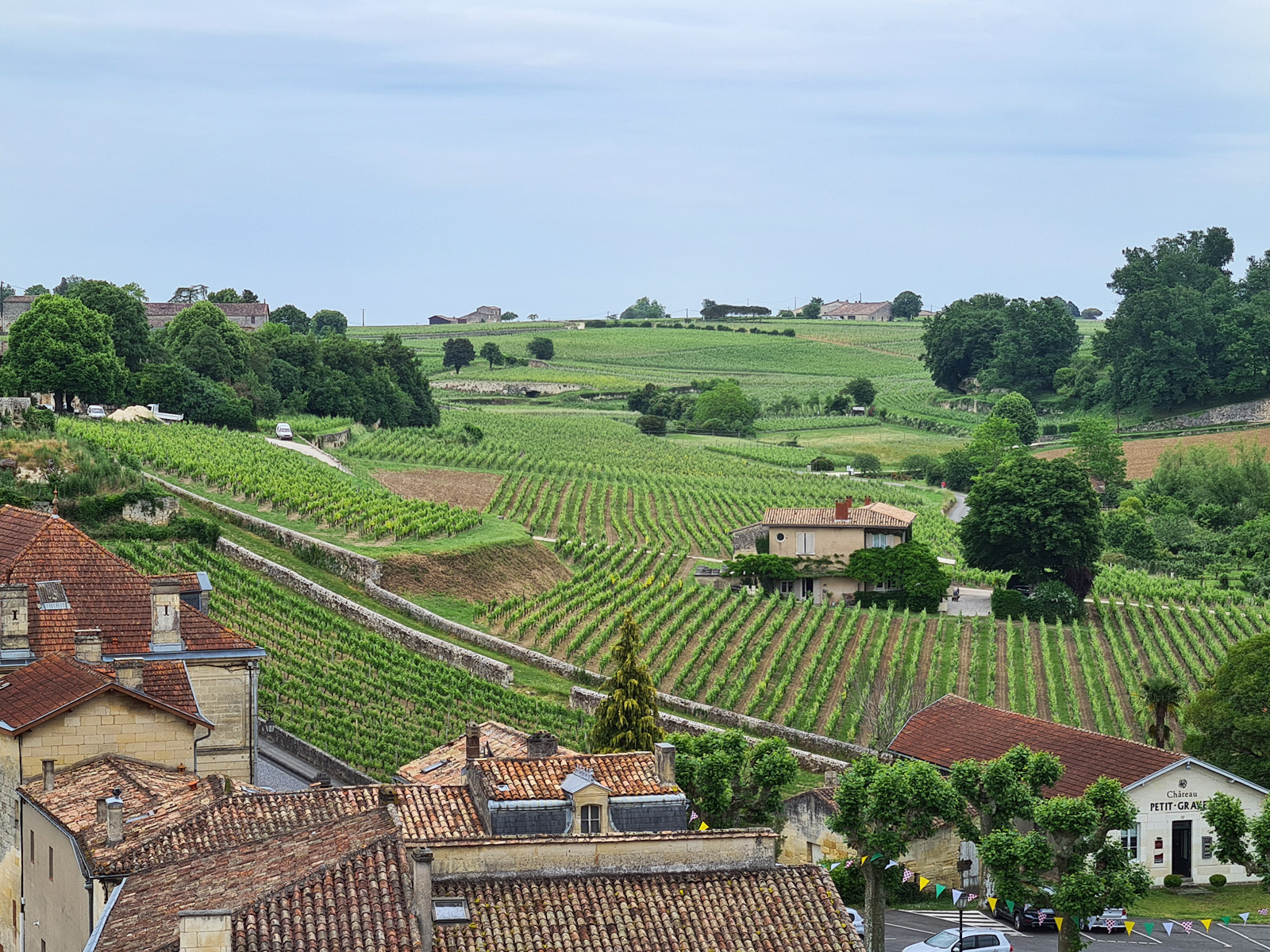
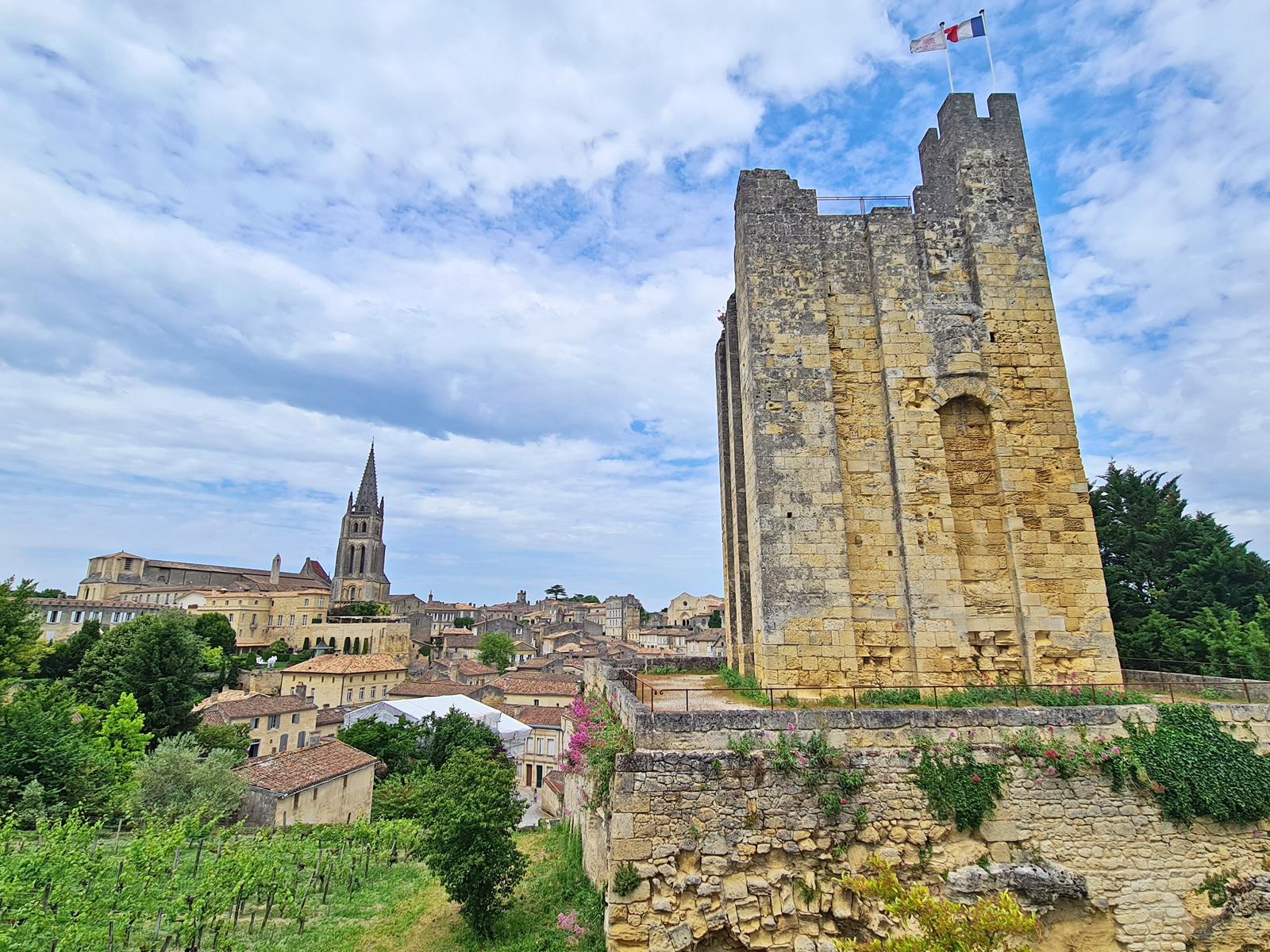
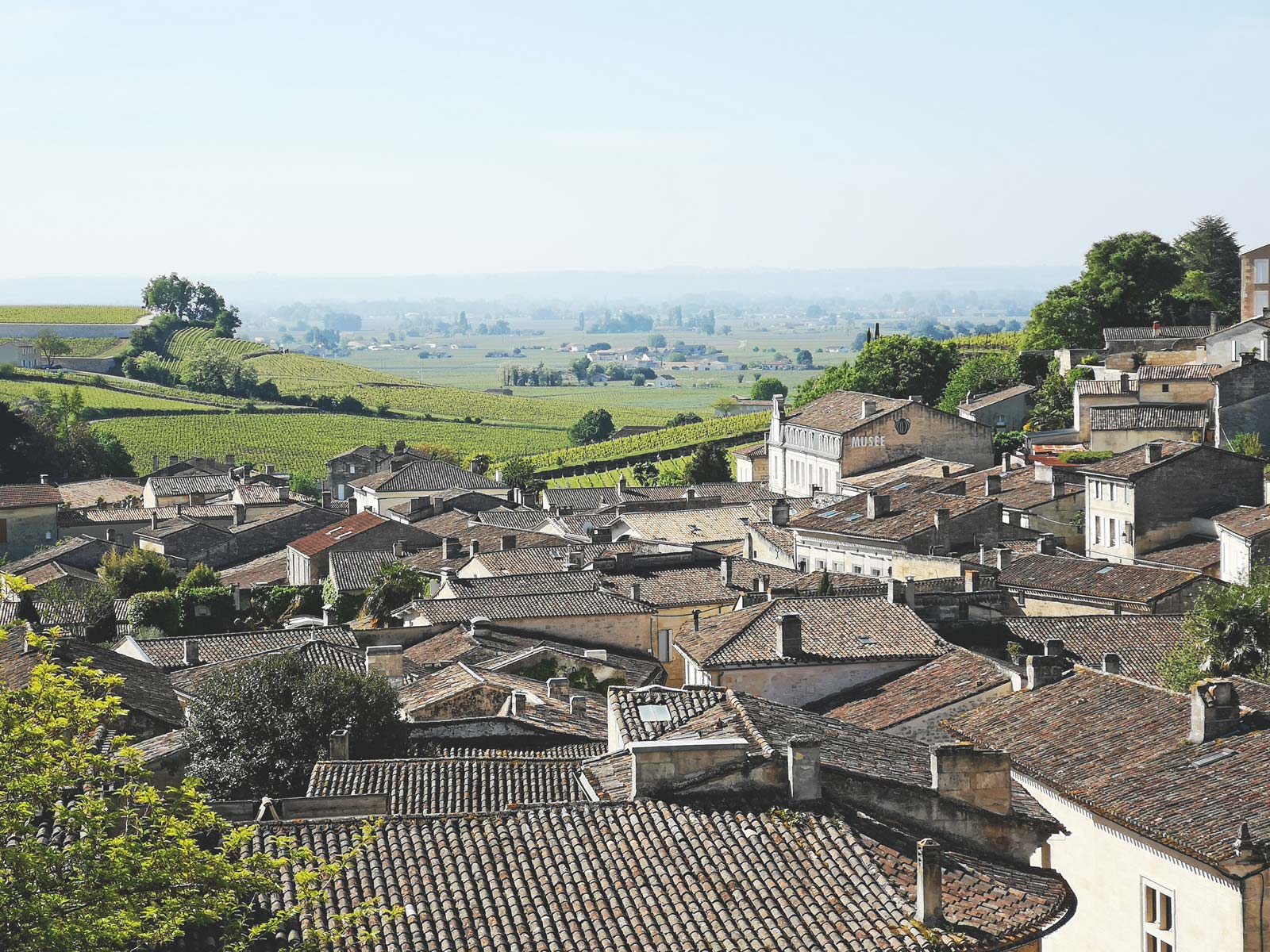
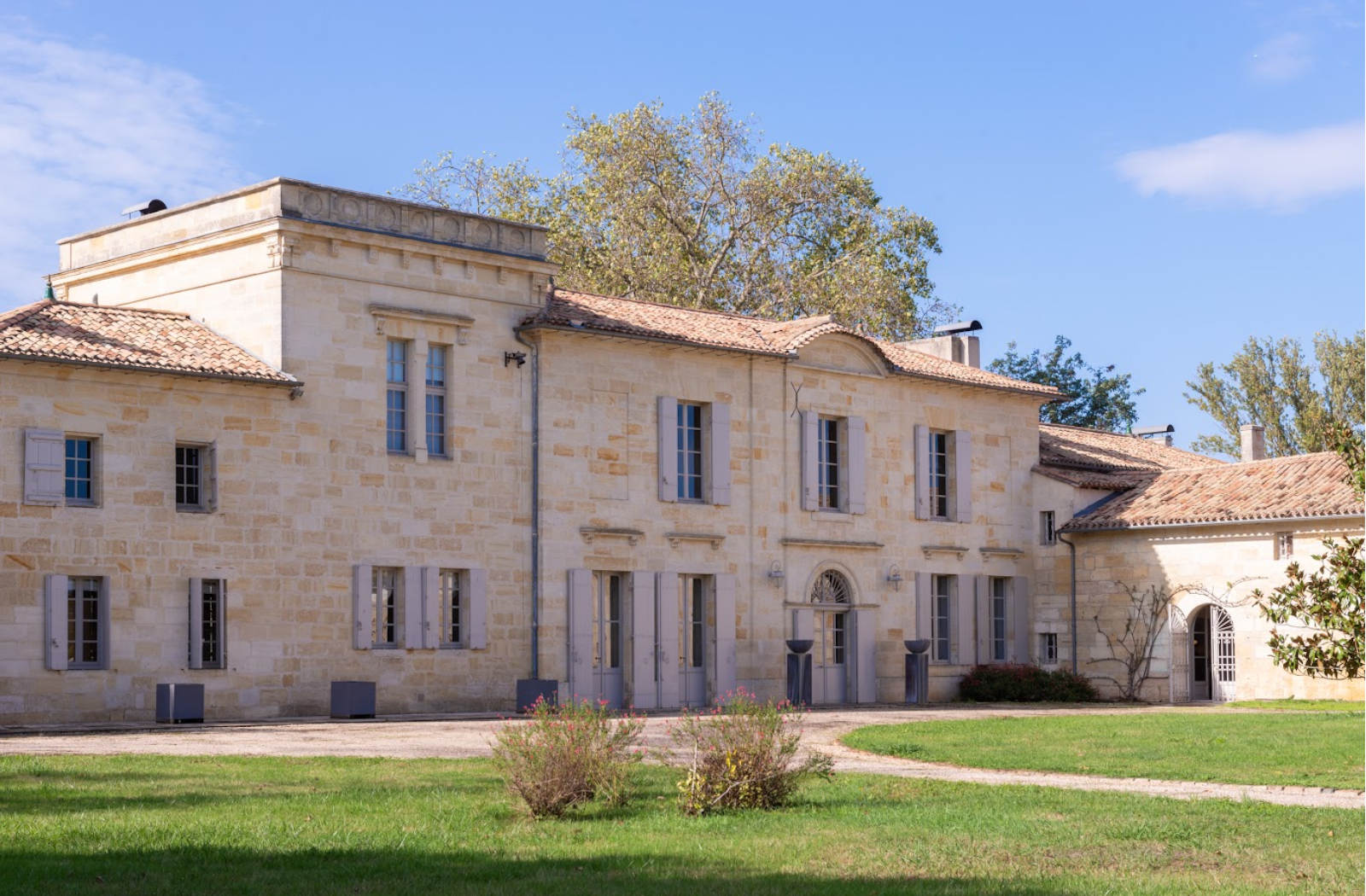
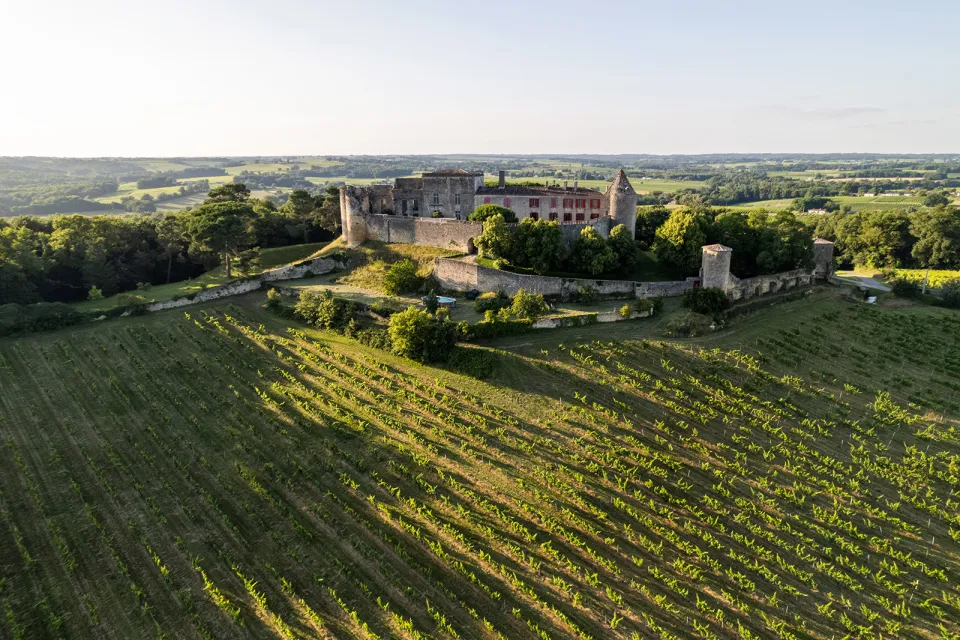
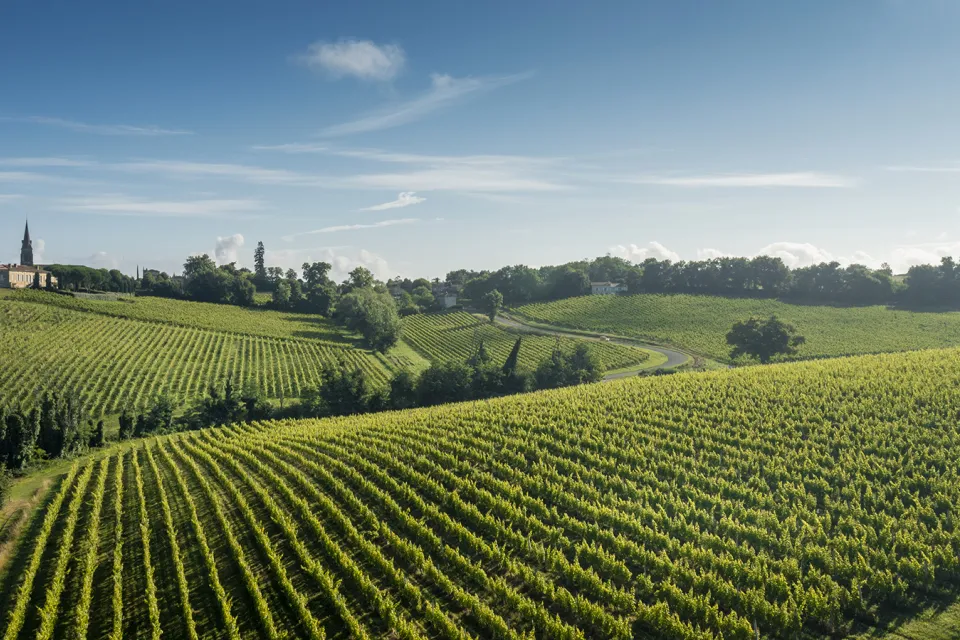
      The landscape of Branne and its surroundings is characterized by hills, valleys, forests, magnificent vineyards, and a wealth of historical sites, from prehistory to the present day. The remains of Gallo-Roman villas, as well as prehistoric sites like the Curton Dolmen, will transport you to a distant past. Romanesque churches that survived the Hundred Years' War, the Wars of Religion, and the Fronde are testaments to the region's rich religious heritage. Finally, the numerous castles attest to the wealth and nobility of the area, particularly those dating from English Guyenne, splendid in their simplicity and elegance. To name just a few: the Château de Blaignac in Cabara, the Château de Mouchac, the Château Rebullide in Guillac, and the Château Reynier!

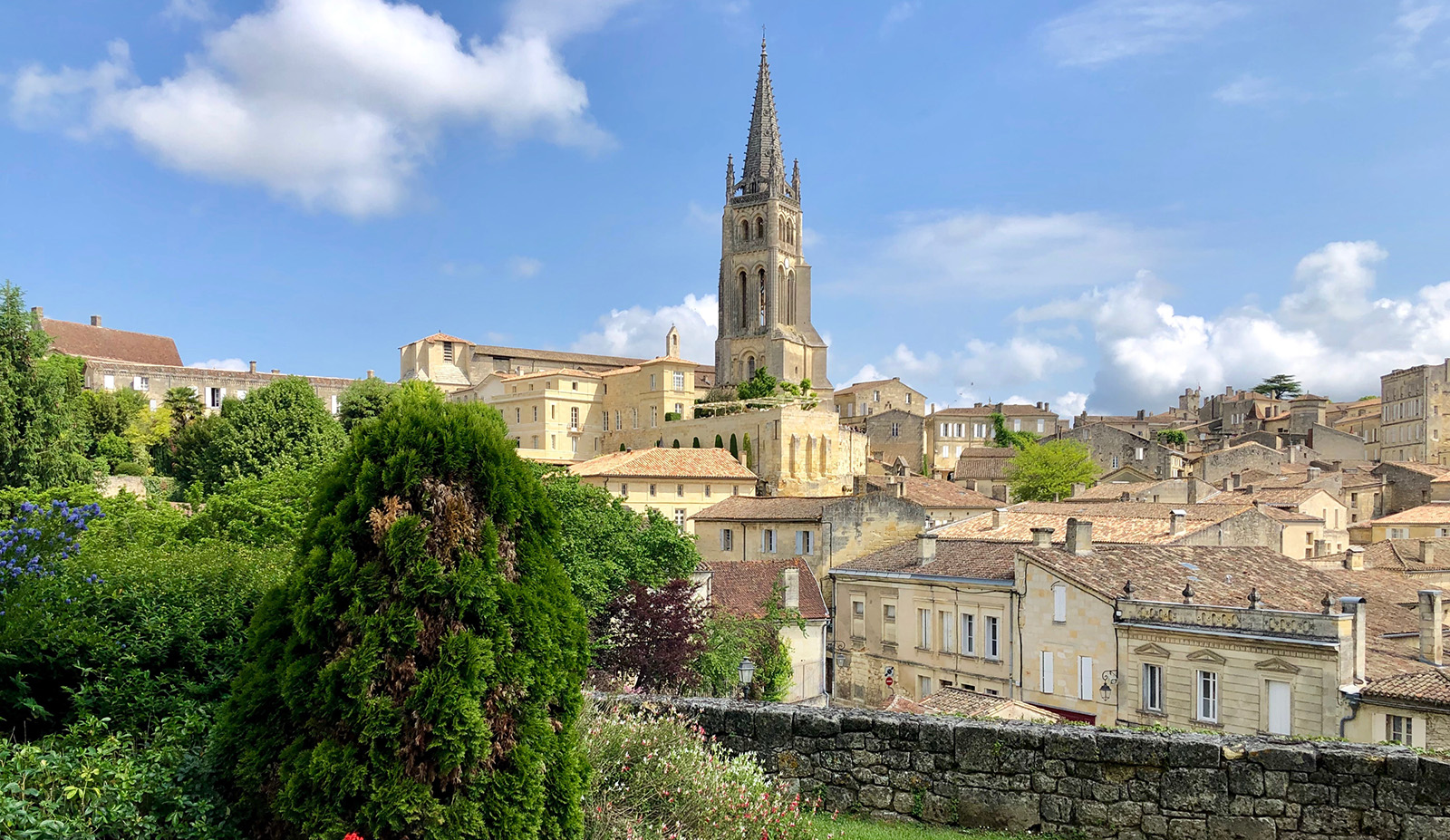
      The diversity of landscapes, the variations of soils made up of a limestone plateau covered with a layer of clay soil is the same as that of its prestigious neighbor Saint-Émilion and offers wines whose quality is beyond question.

      This part of Entre-deux-Mers was crisscrossed by roads converging towards the Abbey of La Sauve Majeure, a major gathering place and starting point for the pilgrimage to Santiago de Compostela.

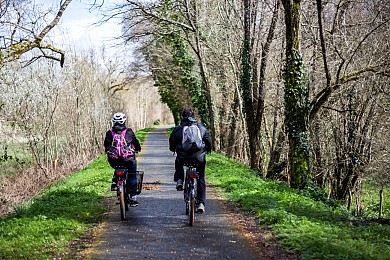
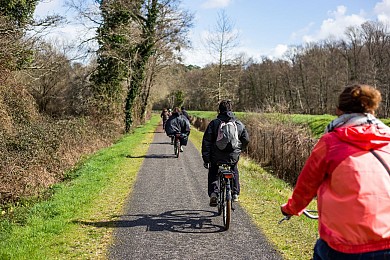
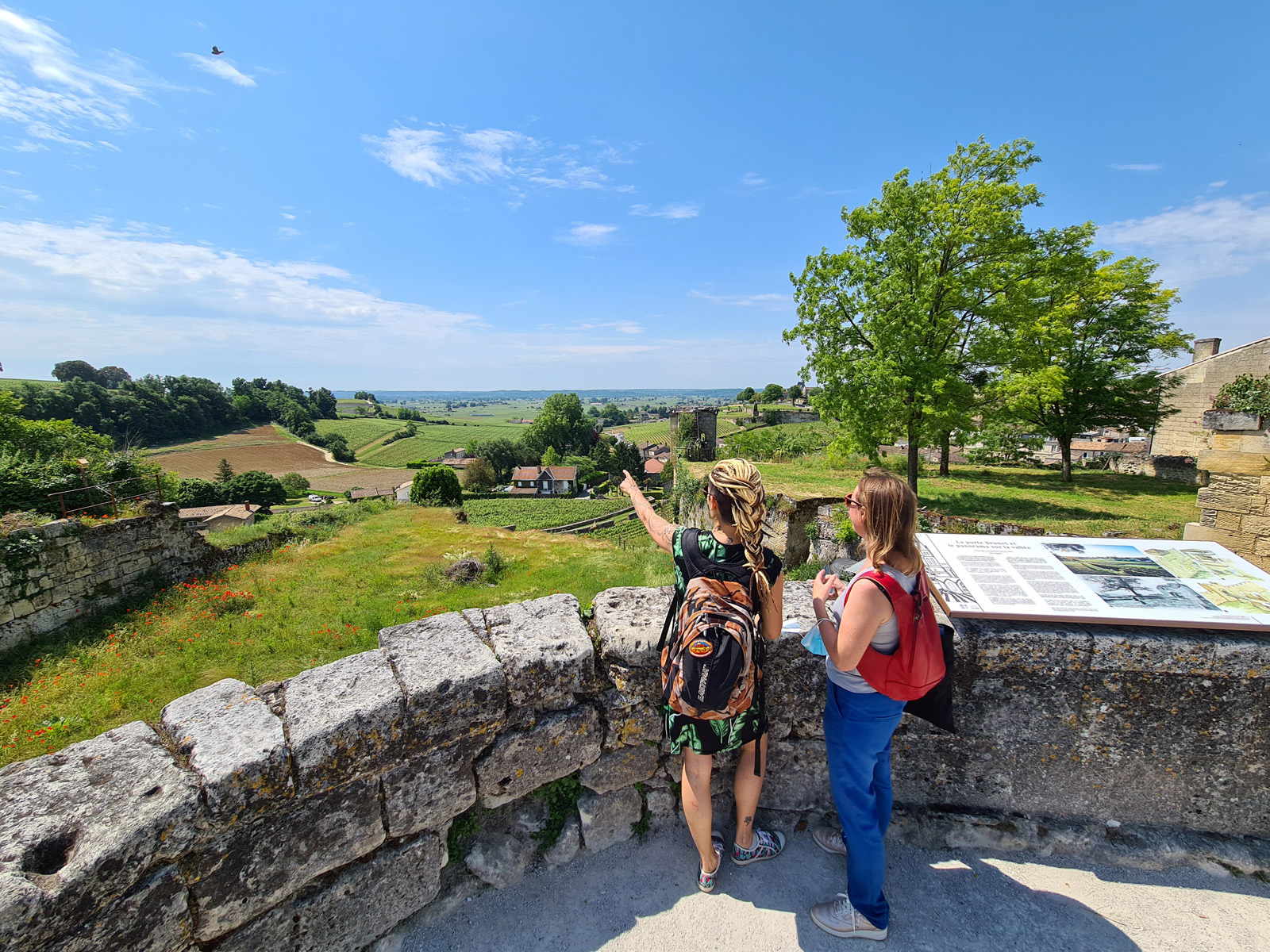
      Today our beautiful region is dotted with hiking trails and cycle paths.

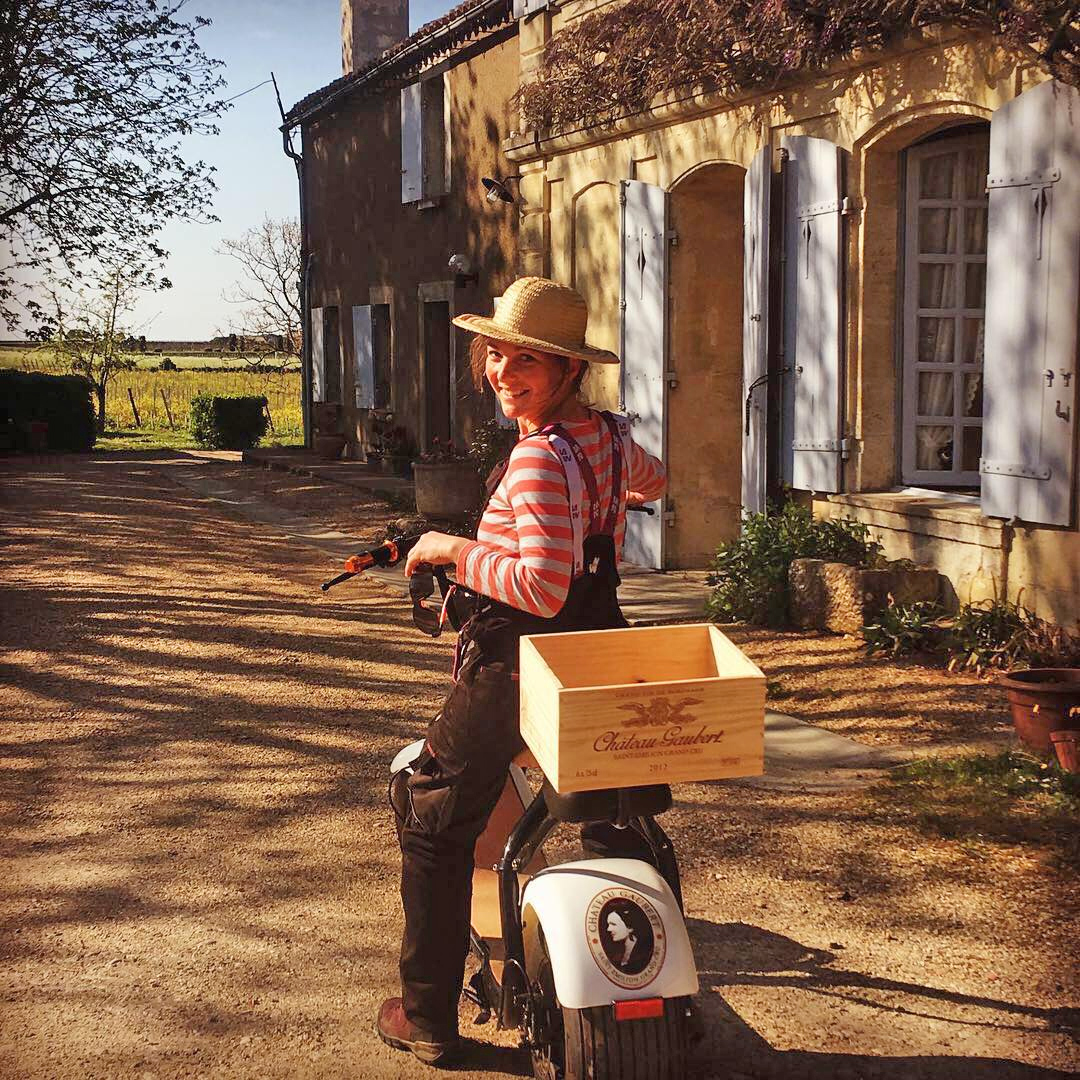
      Whatever path you take, the vineyards, the rivers, the architectural heritage constantly accompany your steps, and if at a bend in the road, a wine estate appears, do not hesitate to take a short tasting break... always in moderation !

  • Français
  • Español

Services

Useful information

Location : In the countryside

Province : Entre Deux-Mers

Opening hours

  • Monday Closed
  • Tuesday 09:30 am - 12:30 am
  • Wednesday 09:30 am - 12:30 am
  • Thursday 09:00 am - 12:30 am
  • Friday 09:30 am - 12:30 am
  • Saturday Closed
  • Sunday Closed
Traveller Reviews (25)

Bureau d'Information Touristique de Branne on socials